Hypoxia and Altitude
Adaptation to high altitude has fascinated physiologists for over 130 years, since Paul Bert (1833-1886) proved that the deleterious effects on animals were the result of low partial pressures of oxygen, but metabolic adaptations to hypoxia have been difficult to demonstrate.
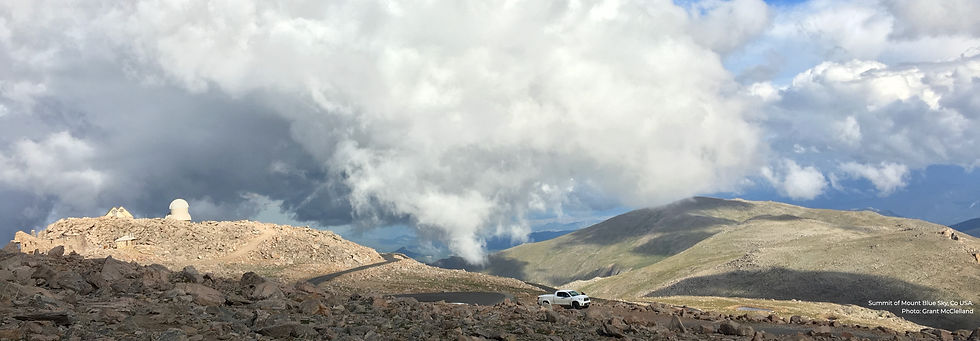
To examine adaptations to this potent stressor we use a powerful comparative approach using related species from the genus Phyllotis from the Andes and Peromyscus species from North America along with more traditional models to examine acclimation to hypoxia. Photo credit: G.McClelland
Sample publications:
Liphardt, S., et al., (2026) Adaptation across an extreme elevational gradient in Andean leaf-eared mice, the world’s highest dwelling mammal. Science. 393, eaec8347. doi: 10.1126/science.aec8347
McClelland, G.B., and Scott, G.R. (2019) Evolved mechanisms of aerobic performance and hypoxia resistance in high-altitude natives. Ann. Rev. Physiol. 81:561–583.
Lau, D., Mahalingam, S., Connaty, A.D., Wall, N., Cheviron, Z.A., Storz, J.F., Scott, G.R., and McClelland, G.B. (2017) Acclimation to hypoxia increases carbohydrate use during exercise in high-altitude deer mice. Am. J. Physiol. 312: R400–R411
Schippers, M.-P., Ramirez, O., Arana, M., Bernal, P.P., and McClelland, G.B. (2012) Increase in carbohydrate utilization in high-altitude Andean mice. Current Biology. 22 (24):2350–2354.
Cheviron, Z.A., Bachman, G.C., Connaty, A.D., McClelland, G.B., Storz, J.F. (2012) Regulatory changes contribute to the adaptive enhancement of thermogenic capacity in high-altitude deer mice. Proc. Natl. Acad. Sci., USA., 109(22): 8635-40.
Funding:
Hypoxia and altitude research in the McClelland Lab has been funded by the National Sciences and Engineering Council of Canada (NSERC), the National Science Foundation, and the National Institutes of Health.